 NOAA
NOAA

Strengthening Tsunami Warning and Emergency Response and Tsunami Warning Decision Support Tools Training, Nuku'alofa, Tonga, 23-27 August 2010
Strengthening Tsunami Warning and Emergency Response and Tsunami Warning Decision Support Tools Training
23-27 August 2010, Nuku'alofa, Tonga
Tsunamis are hazards that threaten the islands of Tonga. Most tsunamis are generated by major earthquakes in the Pacific, including the nearby Tonga Trench. Depending upon the location of the earthquake, tsunami waves can strike island coasts within minutes to hours. To protect the people of Tonga from this hazard, a warning system must rapidly and effectively provide critical information to those at risk to motivate them to take appropriate actions to save their lives. For local tsunamis, education and awareness, and knowledge of the natural tsunami warning signs, are the keys to saving lives.
An effective tsunami early warning system is achieved when all persons, especially in vulnerable coastal communities, are prepared and respond appropriately and in a timely manner upon recognition that a potential destructive tsunami (local or regional) may be approaching. For this, tsunami hazards and risks must be known, and preparedness activities must be carried out beforehand so that when a warning is issued, it will motivate citizens to move out of harm’s way before the tsunami attacks. Natural tsunami warning signs must be recognized by everyone in order to immediately evacuate coastlines.
Early detection by the monitoring networks of tsunami warning centers (TWC) will trigger authoritative warnings that must immediately trigger emergency responses by emergency management and first responder agencies. To respond quickly and efficiently, wellknown and clear standard operating procedures should be in place and practiced so that stakeholders are familiar with and understand their roles and responsibilities, and the timely actions that must take place for public safety.
At the same time, awareness and preparedness activities that educate and inform citizens about tsunamis and what to do during a tsunami warning have to take place. These educate transient or special needs populations such as tourists staying at beachfront hotels, women, children, and the elderly, as well as government officials and other local community leaders. Including natural hazards and disaster preparedness in school curricula is a long-lived tool for carrying awareness to the next generation.
This Seminar aims to provide an introduction to tsunamis and how to effectively mitigate Tonga’s tsunami hazard.
Informational Documents
| Document Title | Format/Type |
| Agenda | PDF (112 KB) |

Quick Links



Resources
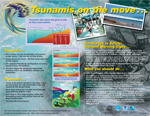
Tsunami Awareness Poster
Available in English, Spanish, Chinese, French, Japanese, Korean, Portuguese, Singalese.
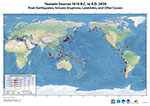
Global & Regional Hazard Maps
Tsunami Sources, Significant Earthquakes, Significant Volcanic Eruptions, Tsunami Icosohedron Globe.


TsunamiTeacher USA
Tsunami Basics
Also on YouTube
(w/closed captioning)
Learn the basics of tsunamis. Available in English, Samoan.